Turn a tape trial into a purchase quantity
Observe how tape is cut and applied on real orders before using a roll label to forecast replenishment.
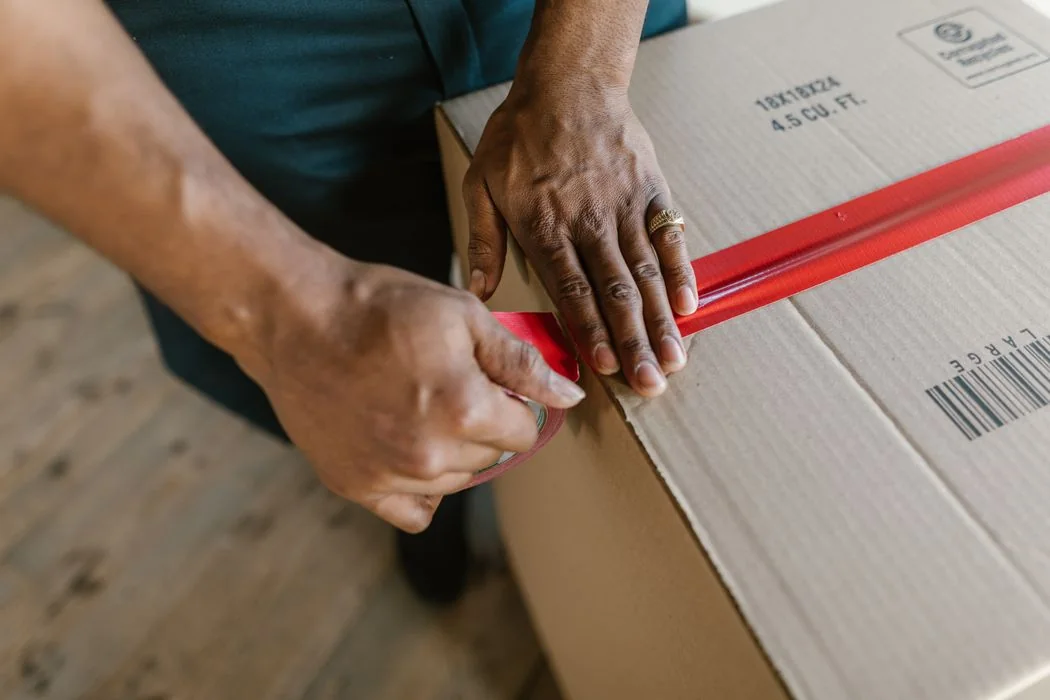
Define the closure you are costing
A pack instruction should identify the carton face and closure method before it specifies a cut length. For a particular H pattern, draw one center strip and two cross strips on each required face. Identify any end extension and label-protection tape separately. Make several sample packs with the same tape and cutter that the team will use.
Calculate an initial consumption figure
If the main seam is 45 cm, each cross seam is 32 cm and each strip extends five centimetres beyond both ends, one face consumes 45 + 64 + 30 = 139 cm. Two matching faces consume 2.78 metres. This estimate covers that layout and excludes changeover waste. Weighing a roll before and after a batch can also help if you know its bare core mass and tape mass per metre.
Reconcile stock at a batch scale
For 720 cartons at 2.78 metres each, expected tape installed is 2,001.6 metres. If 6% of purchased length is unusable and rolls are 66 metres, round up to 33 rolls. Check partially used rolls and make a note of jams, end trim and tape replaced during rework. A consistent stock count can tell you whether the waste allowance still matches the process.
Keep closure performance in the decision
If one pattern uses less tape, compare the sample closure after ordinary handling and any applicable validation. A tape price comparison should use the installed quantity and a matching quality requirement. Record the method and times for both patterns so savings on material can be evaluated alongside any change in packing effort.