Design packaging for a second trip
A returnable package has to survive its first opening and still be convenient to close, identify and inspect.
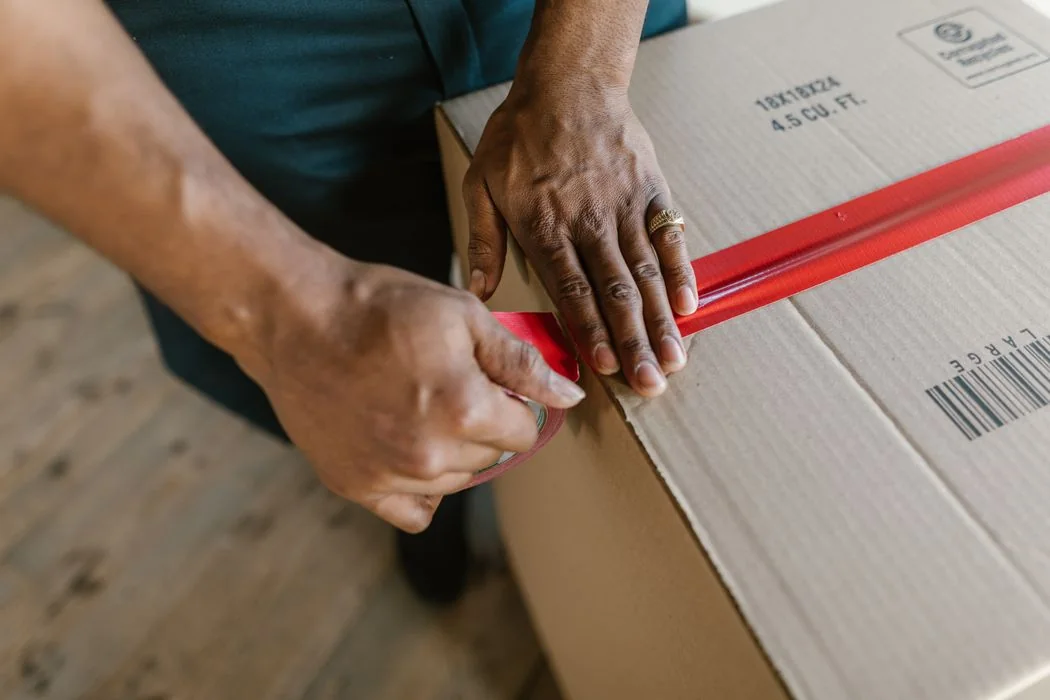
Walk through opening and closing
Try opening the mailer as a customer would, with the intended instructions. Look for a clear place to tear that preserves the second adhesive strip. Check whether a label or tape blocks the tear action. Cap protrusions and folds should fit again after the buyer has removed the original item for inspection.
Plan the pack loop
Separate dispatch, movement, return handoff, cleaning and ready stock. At 85 dispatches per day and an average 12-day turnaround, about 1,020 units are active across the loop. An 18% spare allowance takes the planning pool to 1,204. Sample the tail of the return-time distribution so delayed units are visible. Define permanent loss after an observation window.
Count completed trips
Put acquisition, cleaning and reverse transport on the same per-completed-trip basis. For an 8.60 container used for 14 completed trips, with 0.30 cleaning and 1.10 reverse movement per trip, the simple figure is 2.01 per trip after rounding. The result depends on what counts as a completed reusable trip and the number achieved across the fleet.
Make the returns decision easy
Record cases where the old label can be removed safely, the closure still functions and board or film stays intact. Keep reuse, repair and replacement decisions visible in a short workstation rubric. Review rates by material lot and product before changing how much reserve packaging is staged.