Plan for the orders due at dispatch cutoff
A cutoff plan works best when it distinguishes ready orders, late releases, packing capacity and time to hand off.
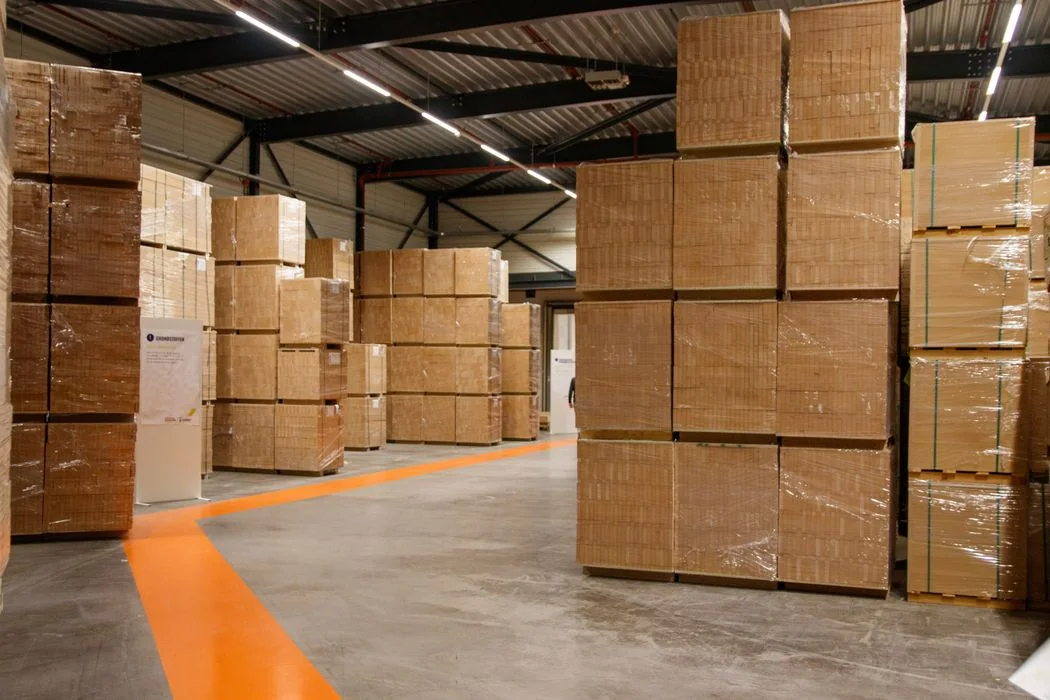
Count what is physically ready
Break the due work into staged and ready, waiting on replenishment or pick completion, held for verification, and already sealed. Decide whether a count is in orders, parcels or totes and convert it when these units differ. Timestamp the snapshot and check that holds cannot enter both the ready and expected release rows.
Use an observed effective rate
Measure good orders completed across several recent periods that used a similar mix of cartons and packing staff. Suppose 660 orders are ready, 240 are expected to release before cutoff, and 130 minutes remain. At 360 orders per hour the capacity is 780, leaving a projected 120 orders. If some of the 240 release too late to reach the bench, a model that treats them as immediately available will understate the miss.
Reserve transfer and staging time
Work backwards from the carrier handoff rather than scheduling the last carton to seal at the departure time. Estimate cart trips using the number of sealed cartons and observed cart capacity. Include route conflicts, scan steps and a place to stage exceptions. Assign responsibility for the last batch handoff so that it does not remain in an intermediate queue.
Recalculate on meaningful events
Update the ready count when a large release wave arrives, a station stops or the carrier changes the handoff window. Use the updated active rate and remaining time. Record actual late releases separately from packing misses, then review both when planning the next wave of similar size.