Audit packaging mass before making a savings claim
A component-level weight record makes packaging reductions easier to verify and harder to overstate.
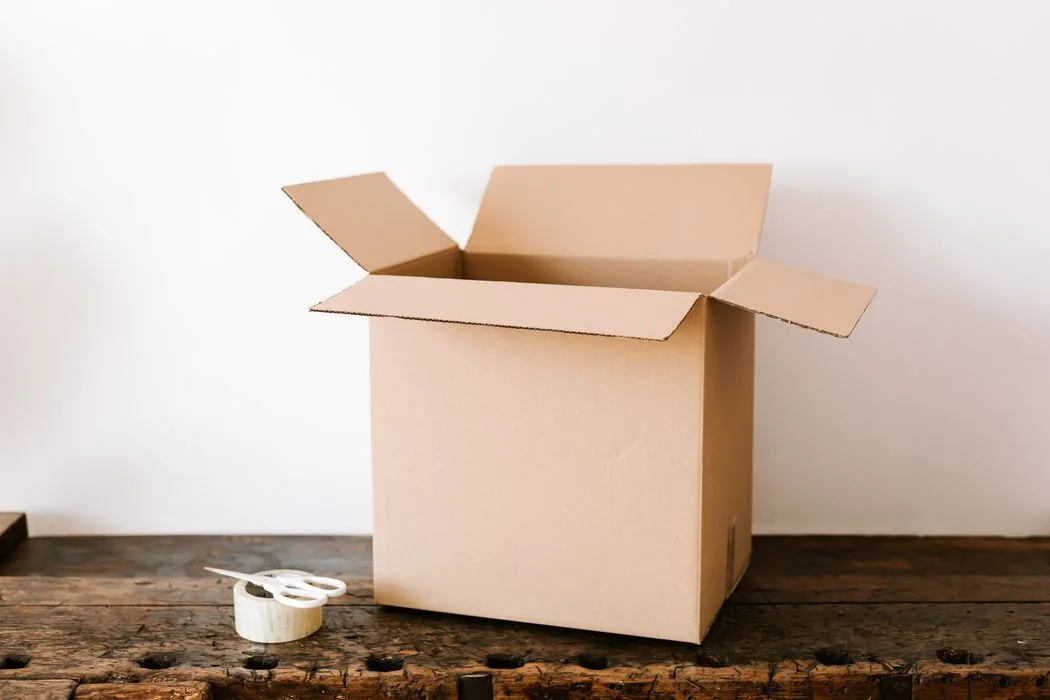
Pick a consistent measurement boundary
Decide whether the record includes retail packaging, packing slips, carton, film, adhesive and dunnage. Keep a separate measured net product weight. Use a sample appropriate to each material and record the count, supplier lot, measurement date and any known moisture condition. Weigh multiple lightweight pieces together and divide by the count when the scale has limited resolution.
Separate amount saved from rollout coverage
If an eligible carton changes from 218 to 184 grams, it saves 34 grams per parcel under the measured design. On 31,000 eligible shipments that would be 1,054 kg. If the new carton reaches only half of those orders, the estimated reduction over that period is around 527 kg. Record actual adoption and use observed package mass after implementation.
Document what the number covers
Use supplier declarations if you want to estimate recycled content. For a multicomponent pack, weight each declaration by the mass of its matching component. Keep the material grade, declaration date and supplier reference in your evidence. A change in package mass does not establish a lifecycle emissions change, and recycled content measures a different property from local recovery.
Check for displaced materials
Inspect the full finished pack after the redesign. A lighter carton can need a heavier insert or additional tape. Compare total material mass per delivered product kilogram and observe damage, returns and repacks alongside the mass figure. Record the exact pack versions used for both sides of the comparison.